
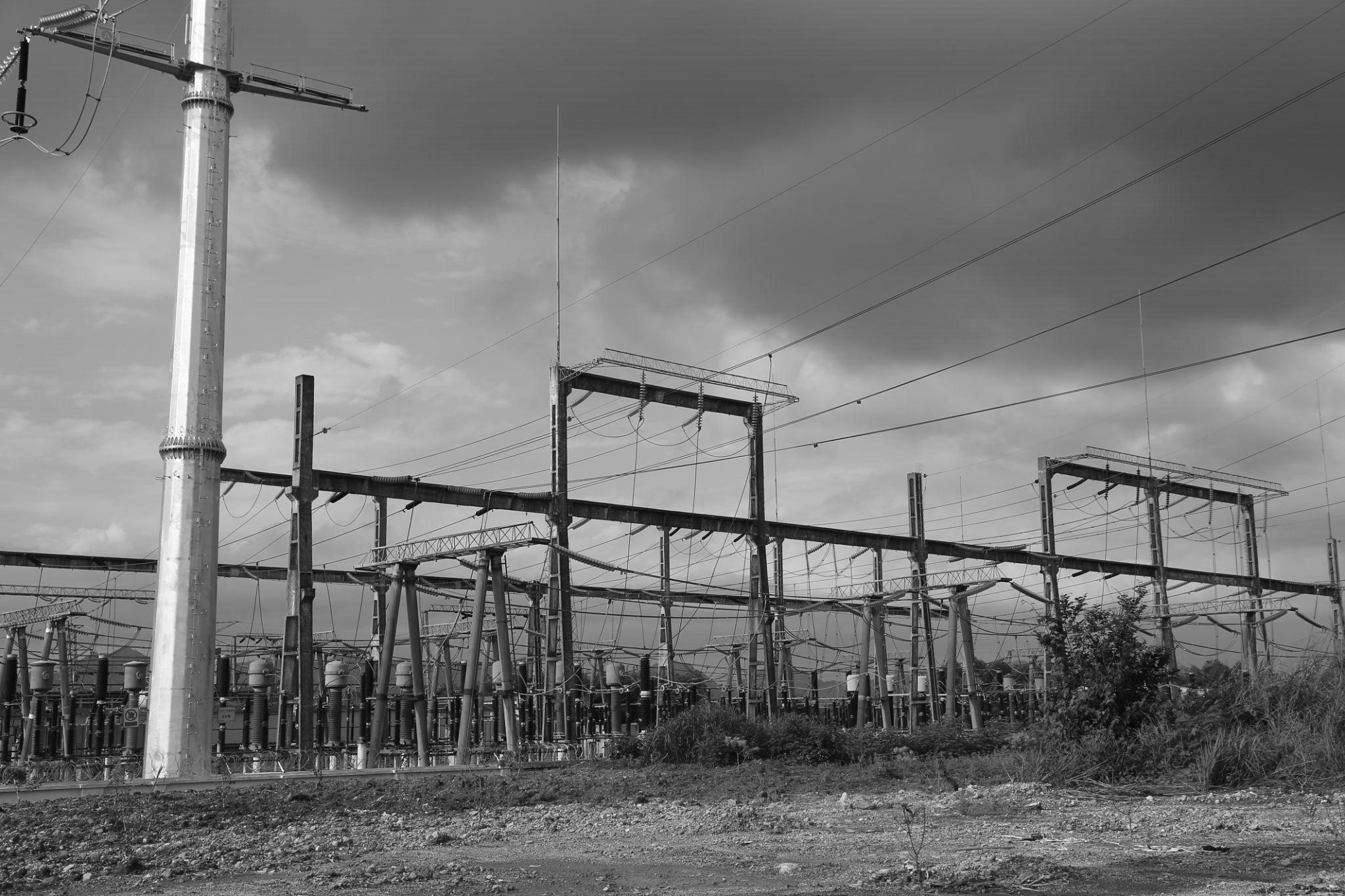
Tucker Carlson is doing what good populists have always done: pointing at something enormous, ugly, expensive, and elite-driven and asking ordinary people about data centers, “What exactly are you getting out of this deal?”
Fair question.
But the problem with his monologue is that it stops right before the part where reality gets complicated. That’s typical of him.
Then there’s a line he uses: data centers are “an offense against God and nature.”
That’s rich.
You know what else was ugly?
The shipyards at Long Beach.
The steel mills in Pittsburgh.
The bomber plants in Detroit.
The oil refineries in Texas.
The warehouses at the Port of Los Angeles.
The rail yards that stitched America together.
None of them were pretty.
War isn’t pretty.
Industry isn’t pretty.
Power isn’t pretty.
The Parthenon didn’t win World War II.
Factories did.
And that’s the first thing missing from this whole conversation about AI and data centers: people keep talking like this is some optional luxury item. Like America is debating whether to buy a fancier toaster oven.
We’re not.
This is infrastructure.
The next layer of infrastructure.
And the Chinese understand that better than we do.
While Americans argue over whether a server building ruins the view from the wine patio, China is wiring together power plants, chip fabs, ports, fiber, universities, and military systems into one national strategy.
They’re not asking permission from every HOA in Guangdong.
Meanwhile in America, half the country thinks a data center is a CIA mind-control bunker and the other half thinks AI is just a chatbot that helps college kids cheat on essays.
Neither side understands the scale of what’s happening.
Now here’s the part Tucker gets right:
Ordinary Americans have not been told clearly what they’re getting out of this.
Because the people selling AI talk like malfunctioning TED Talks.
“Transformative synergy.”
“Machine learning ecosystems.”
“Cognitive acceleration.”
Nobody talks like that outside Palo Alto.
Here’s the plain English version.
AI is coming for:
- paperwork,
- scheduling,
- logistics,
- customer service,
- coding,
- insurance processing,
- warehouse management,
- legal discovery,
- radiology,
- and eventually chunks of white-collar management itself.
That’s not theory anymore.
That’s already happening.
And yes, some people are going to get crushed by it.
Just like automation crushed switchboard operators.
Just like container shipping crushed dock labor.
Just like Craigslist crushed newspaper classifieds.
I know. I watched that one happen in real time while newspaper executives smiled and handed away their business model for free.
But here’s what Tucker leaves out.
The same infrastructure powering AI also powers:
- modern medicine,
- weather forecasting,
- military defense,
- supply chains,
- air traffic systems,
- banking,
- satellite networks,
- emergency response,
- and increasingly the electric grid itself.
Those ugly gray buildings?
They’re not just making anime selfies and fake term papers.
They are becoming the industrial nervous system of the modern world.
And if America refuses to build that nervous system because the buildings are unattractive, somebody else will build it instead.
Probably China.
Then we’ll buy the future from them the same way we buy pharmaceuticals, electronics, and solar panels now.
That’s the part nobody wants to say out loud.
Now — does that mean citizens should shut up and accept anything?
Hell no.
People have legitimate concerns:
- power consumption,
- water use,
- noise,
- tax giveaways,
- eminent domain,
- land speculation,
- and whether local communities get anything besides higher electric bills and giant concrete boxes.
Those are fair fights.
Necessary fights.
But there’s a difference between regulating industry and committing national suicide because the buildings offend your aesthetic sensibilities.
America wins when it remembers how to build, adapt, and outwork everybody else.
Right now, we’re acting like a country that wants first-world technology with zero industrial footprint.
That fantasy doesn’t exist.
Every civilization that leads the world leaves scars on the landscape.
The question is whether those scars are signs of decline—or signs that the machinery is still running.