
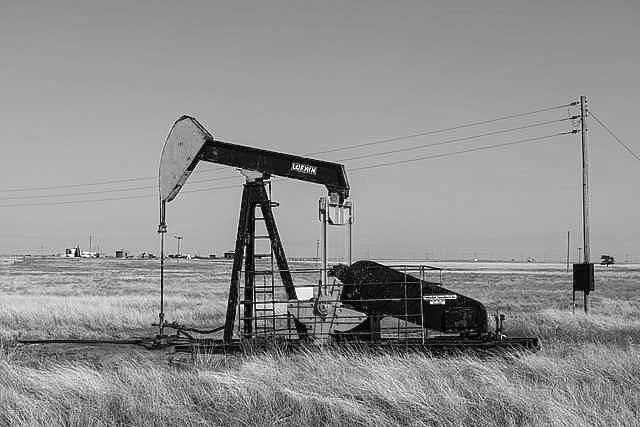
Yesterday, I wrote about the oil glut—too much crude sloshing around the world, prices easing, and gas at the pump finally calming down. That’s the national picture. This is the local one, and it looks different depending on your ZIP code.
In the Permian Basin, the slowdown isn’t theoretical. It’s already showing up from Midland to Odessa, and out through places like Pecos, Andrews, and Big Spring.
Fewer pump jacks are moving. Fewer crews are getting called out. Overtime—the lifeblood of oilfield paychecks—is thinning or gone. Nobody’s staging a press conference about it, but everybody notices when the check comes home lighter.
That’s how oil downturns start here. Not with layoffs, but with silence. A phone that doesn’t ring. A shift that doesn’t get filled. A rig that stays parked one more week.
Then Main Street feels it. Breakfast counters in Midland lose the early-morning rush. Convenience stores along Highway 80 sell less coffee and fewer burritos. Retail clerks in Odessa notice slower afternoons. The money doesn’t disappear—it just stops circulating.
This is the part of the story that never makes it into the victory laps. Cheaper oil helps most Americans, and that’s real. But in West Texas, the same barrel that knocks a few cents off a gallon of gas also decides whether a roughneck gets forty hours or sixty.
And no, this didn’t begin yesterday. In the Permian, the field always knows before Washington does. Prices slip. Activity slows. Politicians notice later and explain it backward.
So yes—enjoy the cheaper gas. Everyone should. Just understand that in Midland and Odessa, “lower prices” already mean quieter yards, fewer trucks on the road, and a familiar truth the oil patch has learned the hard way: when oil gets boring, it’s never boring here.
There’s another wrinkle here that doesn’t show up on an oil chart but hits just as hard. Even as gas prices ease, everything else is getting more expensive.
Groceries cost more. Not fancy groceries—regular ones. Meat, eggs, bread, produce. Consumer goods are up, too, from household basics to clothing to anything that had to be shipped, warehoused, and stocked by someone paying higher costs at every step. Cheaper oil helps at the margins, but it doesn’t rewind prices that have already ratcheted higher and stayed there.
And then there’s the tariff cloud hanging over all of it.
Whether they’re framed as toughness, leverage, or patriotism, tariffs are still taxes, and they still get paid by consumers eventually. Add new tariffs—or even just threaten them—and companies don’t wait around to see how it turns out. They pad prices now, just in case. Uncertainty, like fear in oil markets, has a price tag.
So for a lot of families, cheaper gas doesn’t feel like a windfall. It feels like a partial refund that shows up after the credit card bill is already due. You save a little at the pump, then give it right back at the grocery store, the pharmacy, or the checkout counter.
That’s especially true in places like the Permian Basin, where shrinking oilfield paychecks collide with rising everyday costs. When overtime disappears but groceries don’t get cheaper, the math stops working fast.
Which is why the oil story can’t be read in isolation. Lower crude prices help. They always do. But they’re arriving in an economy where the cost of living has already climbed the hill and brought friends with it.
For consumers, that means relief is real—but limited. And for oil towns, it means the pain shows up twice: once in smaller paychecks, and again at the store.
And right on cue, oil popped about a dollar a barrel on news out of Iran—not because the world suddenly ran out of crude, but because oil markets never miss a chance to price in fear.