
Americans didn’t need a briefing from the Pentagon to know something had changed.
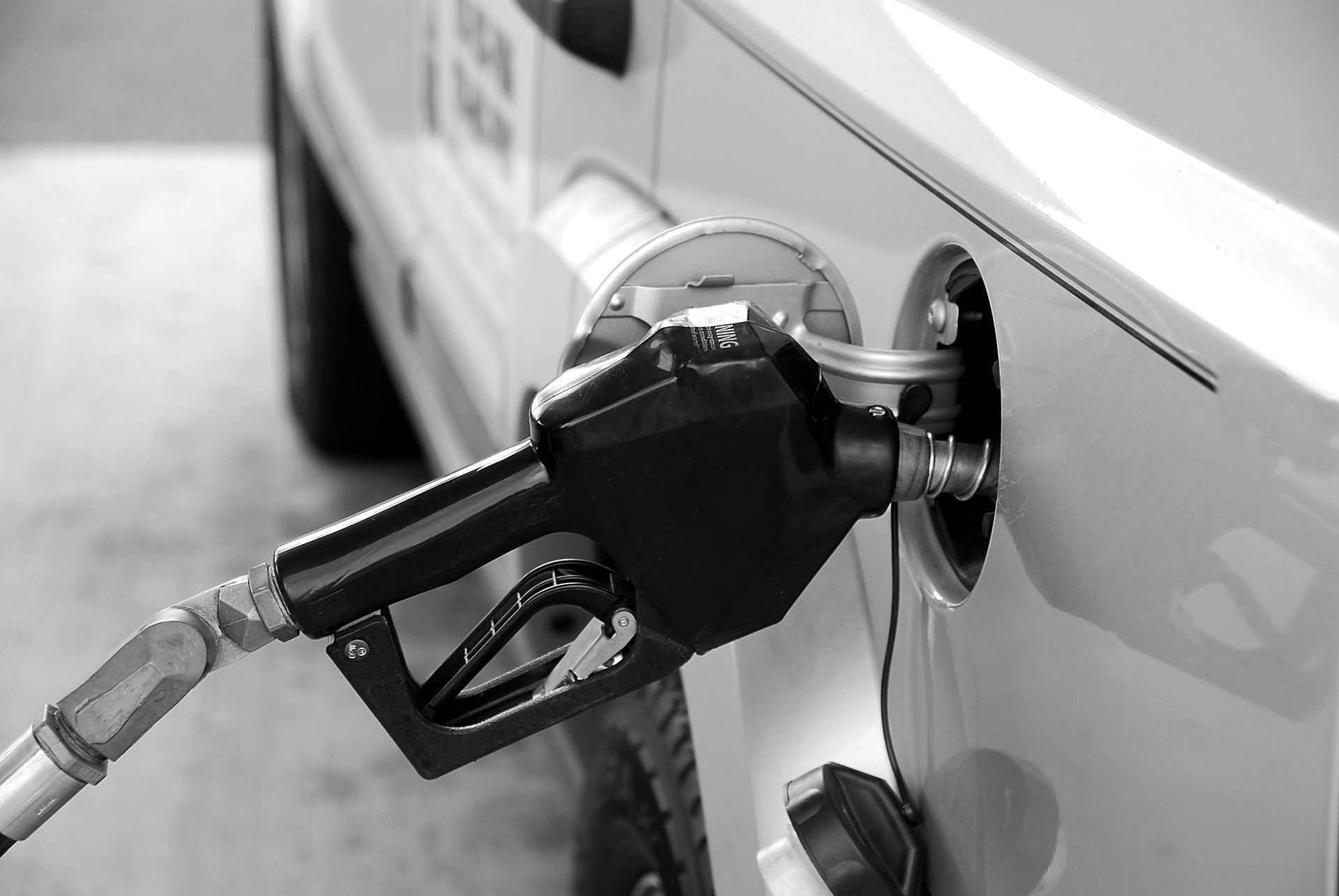
They saw it Monday morning when the numbers on the gas pump jumped.
National gasoline prices across the United States rose 12 cents in a single day, according to petroleum analysts tracking fuel markets. That makes it the fourth-largest one-day price increase since 2005, according to GasBuddy’s head of petroleum analysis, Patrick De Haan.
The only bigger jumps happened during moments Americans may remember well — Hurricane Katrina in 2005, the Iraq War era, and Russia’s invasion of Ukraine in 2022.
In other words, this isn’t a routine market wobble. This is geopolitics.
The spike comes just days after the United States and Israel launched strikes against Iran, a move that immediately rattled global oil markets and raised fears about the security of shipping routes in the Persian Gulf.
Diesel prices are climbing too. They rose 10.8 cents in a single day, placing the increase among the ten largest since modern fuel tracking began in 2005.
That matters because diesel moves almost everything in America — trucks, trains, construction equipment, farm machinery. When diesel rises, the cost of groceries, building materials, and freight tends to rise right along with it.
Energy analysts say the market reaction may only be the beginning.
Matt McClain, another petroleum analyst at GasBuddy, says forecasters are being cautious because everything now depends on how the conflict unfolds. Still, the trajectory is fairly clear.
“If the situation remains where it is now, we could see gasoline rise another 20 to 55 cents per gallon within the next week or two,” McClain said.
That forecast assumes the conflict doesn’t escalate further. If it does — or if shipping through the Persian Gulf is disrupted — prices could move much faster.
That’s because the Persian Gulf is not just another body of water on the map. It is one of the central arteries of the global oil system, carrying a massive share of the world’s energy supply through narrow shipping lanes like the Strait of Hormuz.
When missiles start flying anywhere near those routes, tanker insurance rates climb, shipping slows, and oil traders begin bidding up prices long before an actual shortage appears.
In global energy markets, fear moves prices almost as quickly as supply.
Even the possibility that a missile could hit an oil facility, a tanker, or a port is enough to send markets into defensive mode. The result is exactly what Americans saw this week: prices moving before the war itself has fully unfolded.
Energy analysts say the problem right now is uncertainty. A quick diplomatic cooling could steady markets. But a widening conflict — or attacks near oil infrastructure — could push fuel prices significantly higher in a very short time.
For the American driver, however, the math is much simpler.
Oil may be traded on global markets, debated in war rooms, and shipped through distant straits half a world away.
But the final accounting always happens at the gas pump.
Foreign policy is complicated, but the gas pump explains it pretty clearly.