
Ceasefire headlines sent oil plunging. Reality sent it roaring back. Welcome to the new war—fought in shipping lanes, not just battlefields.
There’s trouble in River City.
Not the kind with pool halls and marching bands—this one runs through the Strait of Hormuz, where about a fifth of the world’s oil squeezes through a narrow stretch of water that suddenly looks a lot less open than it did two days ago.
Here’s how fast things turned.
Two days ago, the United States and Iran announced a ceasefire. The Strait reopens. Oil traders, always eager for a happy ending, do what they do best—they believe the headline.
Oil drops. Hard. From $115 a barrel down into the low $70s.
Problem solved, right?
Not quite.
Because yesterday, Israel fired into Lebanon—outside the ceasefire, technically. Iran doesn’t fire back at the U.S. Instead, it does something smarter.
It starts controlling the choke point.
Chinese and Indian ships? Come on through.
Everyone else? Slow down… and by the way, there’s a “toll.”
That’s not diplomacy. That’s leverage.
And just like that, the market realizes it got ahead of itself. Oil snaps back into the $90s like a rubber band pulled too far.
This isn’t about oil. It’s about who controls the lane.
The price swing tells you everything.
Oil didn’t collapse because supply surged.
It didn’t rebound because wells ran dry.
It moved because traders suddenly had to ask a very uncomfortable question:
Who actually controls the Strait of Hormuz today?
And the answer, right now, is: It depends who you are.
If you’re China, you sail.
If you’re India, you sail.
If you’re tied to the West, you might pay—or you might wait.
That’s not a free market. That’s a checkpoint.
Iran didn’t escalate. It shifted the battlefield.
This is the part Washington hates.
No missiles. No dramatic naval clash. No headline-grabbing attack.
Just a quiet squeeze on global commerce.
Iran is playing the long game here—applying pressure where it hurts most: Insurance rates, tanker routes, and the quiet panic inside trading floors.
Because once ships hesitate, prices move.
And once prices move, everybody feels it—from Wall Street to the gas pump on the corner.
And here’s the part nobody wants to say out loud
The ceasefire didn’t fail.
It was never built to handle this.
It covered U.S. and Iran.
It didn’t cover proxies.
And it sure didn’t cover economic warfare dressed up as “tolls.”
So now we’re in that gray zone— not war, not peace, something in between.
The kind of place where misunderstandings turn into incidents, and incidents turn into something bigger.
Watch the tankers, not the speeches
Watch the ships—and the people on them
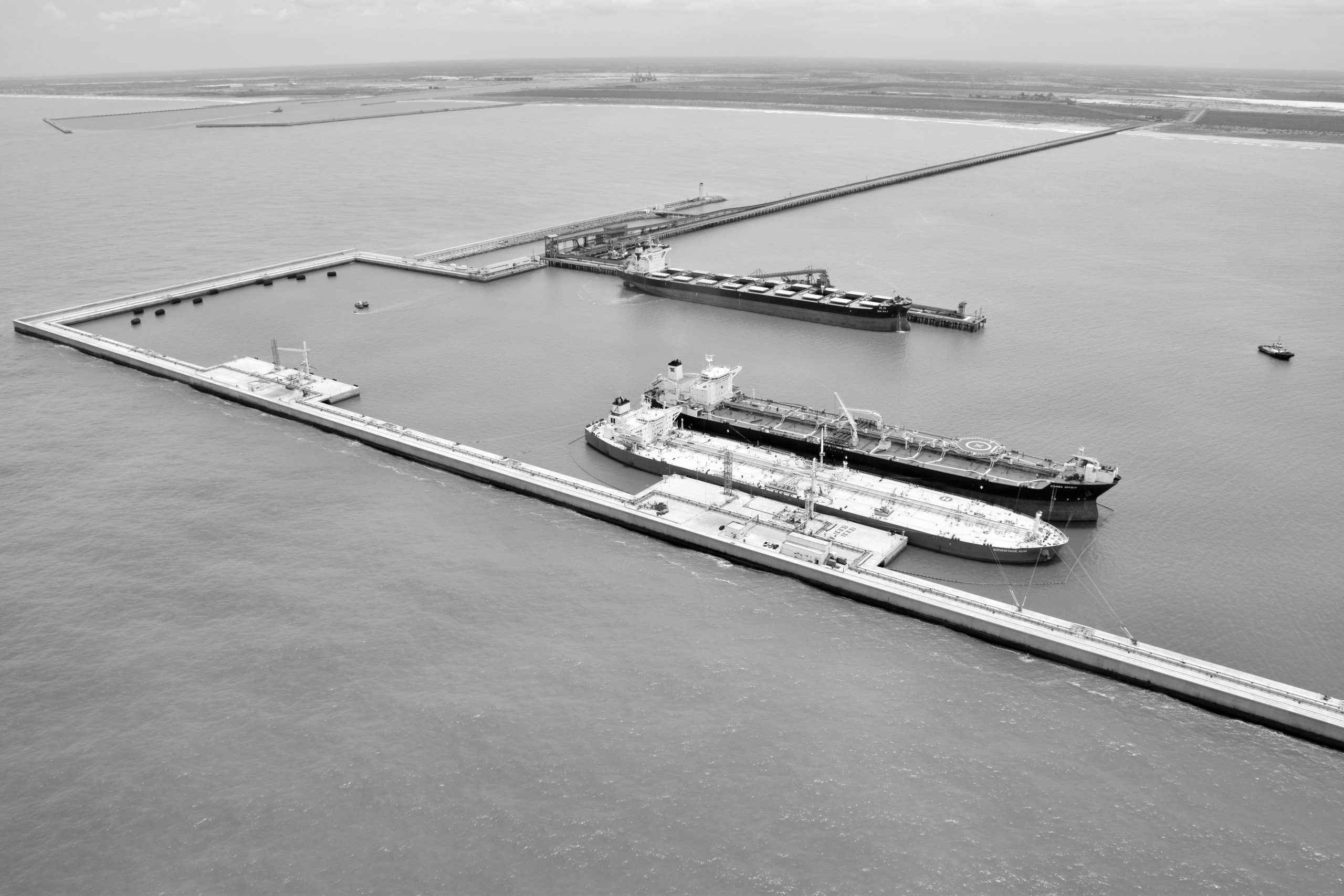
Right now, roughly 40,000 merchant sailors are sitting in limbo—aboard tankers and cargo ships either waiting to enter the Persian Gulf or trying to get out.
Engines idle. Cargo loaded. Orders unclear.
And nobody’s moving.
That’s what a chokepoint looks like before anyone calls it a blockade.
These aren’t abstractions on a trading screen. These are crews:
- Filipinos
- Indians
- Eastern Europeans
- Americans
Men and women stuck on steel islands, watching the horizon, waiting for clearance that may or may not come.
They don’t care about ceasefire language. They care about whether they’re allowed to sail—or whether they’ve just become bargaining chips in someone else’s strategy.
Because once ships stop moving, everything backs up:
- Oil doesn’t get delivered
- Insurance rates spike
- Freight contracts freeze
And the global economy starts holding its breath.
You want to know where this goes next?
Don’t listen to press briefings.
Watch the ships.
- If traffic flows → prices ease
- If ships hesitate → prices climb
- If the Strait becomes selective → welcome to a new kind of blockade
Right now, we’re in that middle ground—just enough disruption to rattle markets, not enough to trigger a shooting war.
Yet.
Because that’s the feeling, isn’t it?
Everything looks fine on paper. The agreements are signed. The statements are made. The Strait is technically “open.”
But 40,000 sailors are sitting still.
The band is still playing—but nobody’s dancing.
And the people watching closely—the traders, the captains, the crews stuck out there in the heat—they know what’s coming.
There’s trouble.
Right there in the Strait.