
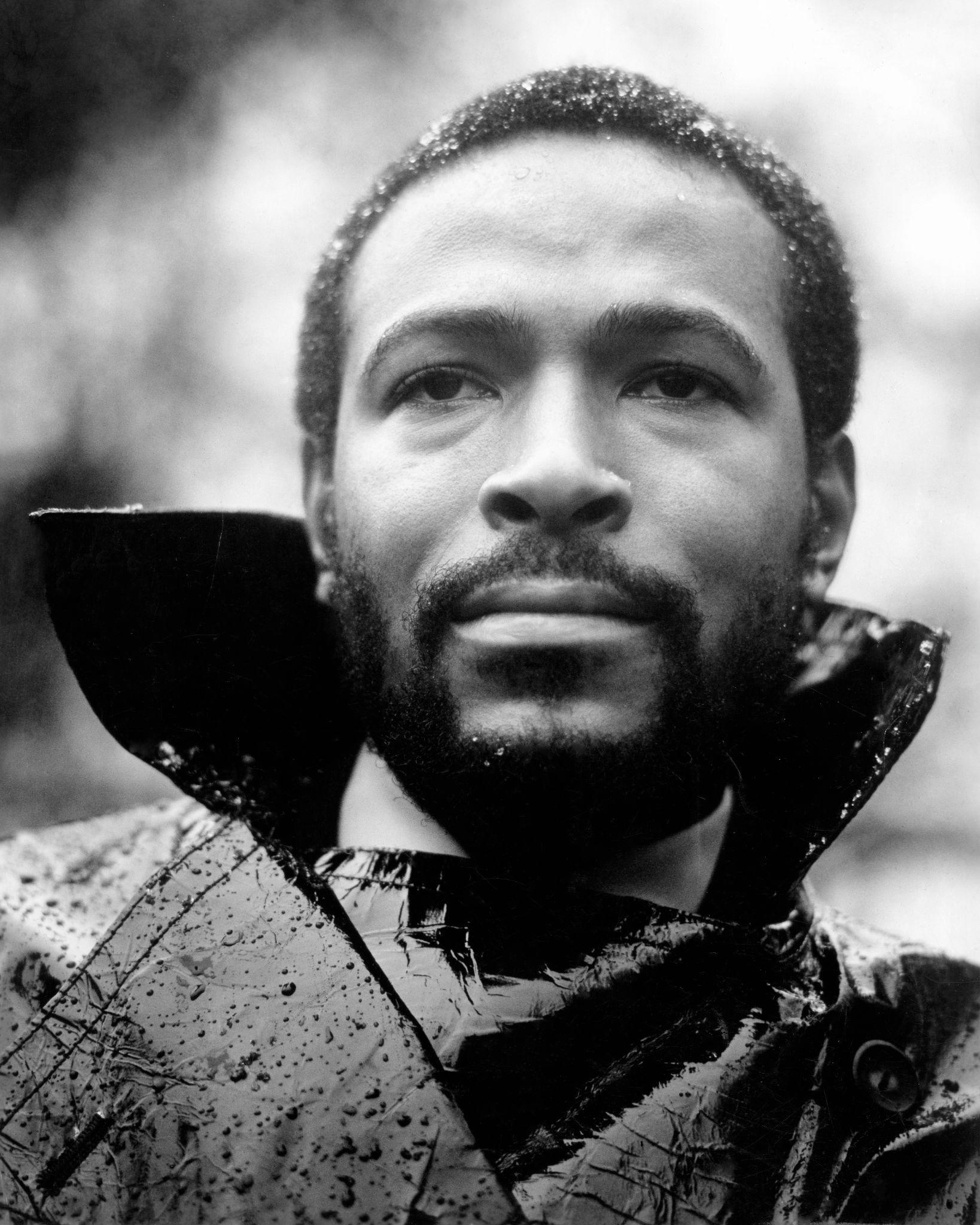
Marvin Gaye asked “What’s going on?” in 1971. Decades later, the question still fits—and that may be the real problem.
There are songs you remember, and then there are songs that come back around and sound like they were written yesterday.
What’s Going On is one of those.
I remember hearing it when it first made the rounds—not as background noise, but as something people actually stopped to listen to. It didn’t shout. It didn’t preach. It asked a question most people were already asking themselves, whether they admitted it or not.
What’s going on?
Back then, the country was tied up in knots—Vietnam, protests, mistrust in institutions, neighborhoods changing faster than people could process. You didn’t need a briefing to know something felt off. You could feel it in conversations, in headlines, in the silence at dinner tables.
The song didn’t come out of thin air. Renaldo ‘Obie’ Benson saw police roughing up protesters in Berkeley and couldn’t shake it. That moment turned into a question. Then Marvin Gaye got hold of it—and gave it a soul.
Gaye wasn’t working in the abstract. His brother had come back from Vietnam carrying the kind of stories that don’t fit neatly into conversation. The war didn’t stay overseas. It came home in fragments—things said, things not said, and things that never got said at all.
That’s the difference you hear in the record. It’s not a protest song in the usual sense. It’s not trying to win an argument. It’s trying to understand what went wrong—and whether anybody else is paying attention.
Motown didn’t want it. Too political. Too risky. Bad for business. Gaye held his ground. He wasn’t cutting anything else until it got released.
Good thing he did.
Because more than fifty years later, the question still works. And that should make people uncomfortable.
We’re not in 1971 anymore, but the feeling is familiar. The country feels off-balance again. Different pressures, different technology, different headlines—but the same underlying hum that something isn’t lining up.
Back then, people argued. Loudly. Publicly. Sometimes recklessly. But at least there was a shared understanding of what the argument was about.
Now it’s murkier.
We don’t just disagree—we don’t agree on what’s real, what matters, or even what problem we’re trying to solve. The noise is constant, the information never stops, and clarity gets lost somewhere in the shuffle.
That’s where the song lands differently today.
When Gaye sings about mothers crying and brothers dying, he’s not pushing a platform. He’s pointing at the cost. He’s reminding you that whatever the argument is, there are real people on the receiving end of it.
That part hasn’t changed.
What may have changed is our willingness to slow down long enough to hear it.
The genius of “What’s Going On” is that it doesn’t pretend to have the answer. It doesn’t wrap things up neatly. It leaves the question hanging there, where it belongs.
And maybe that’s the problem.
We’re still asking it.
But fewer people seem interested in listening for the answer.