
Last year, I found myself in several debates with Trump supporters over birthright citizenship.
I kept coming back to the same two words.
All persons.
Not “all citizens.”
Not “all legal residents.”
Not “all persons whose parents entered the country legally.”
The first words of the Citizenship Clause of the Fourteenth Amendment read:
“All persons born or naturalized in the United States, and subject to the jurisdiction thereof, are citizens…”
To me, those words were remarkably straightforward.
The response was almost always the same.
“That’s not what they meant.”
Maybe.
But if we’re going to claim the Constitution means something different from what it says, we’d better have overwhelming evidence.
This week, the Supreme Court examined exactly that question in Trump v. Barbara about birthright.
Not the politics.
Not the immigration debate.
The words.
After reviewing English common law, the debates surrounding the Civil Rights Act of 1866, the adoption of the Fourteenth Amendment, and more than a century of precedent, a six-justice majority concluded that children born in the United States to parents who are here unlawfully or temporarily are citizens at birth under the Fourteenth Amendment.
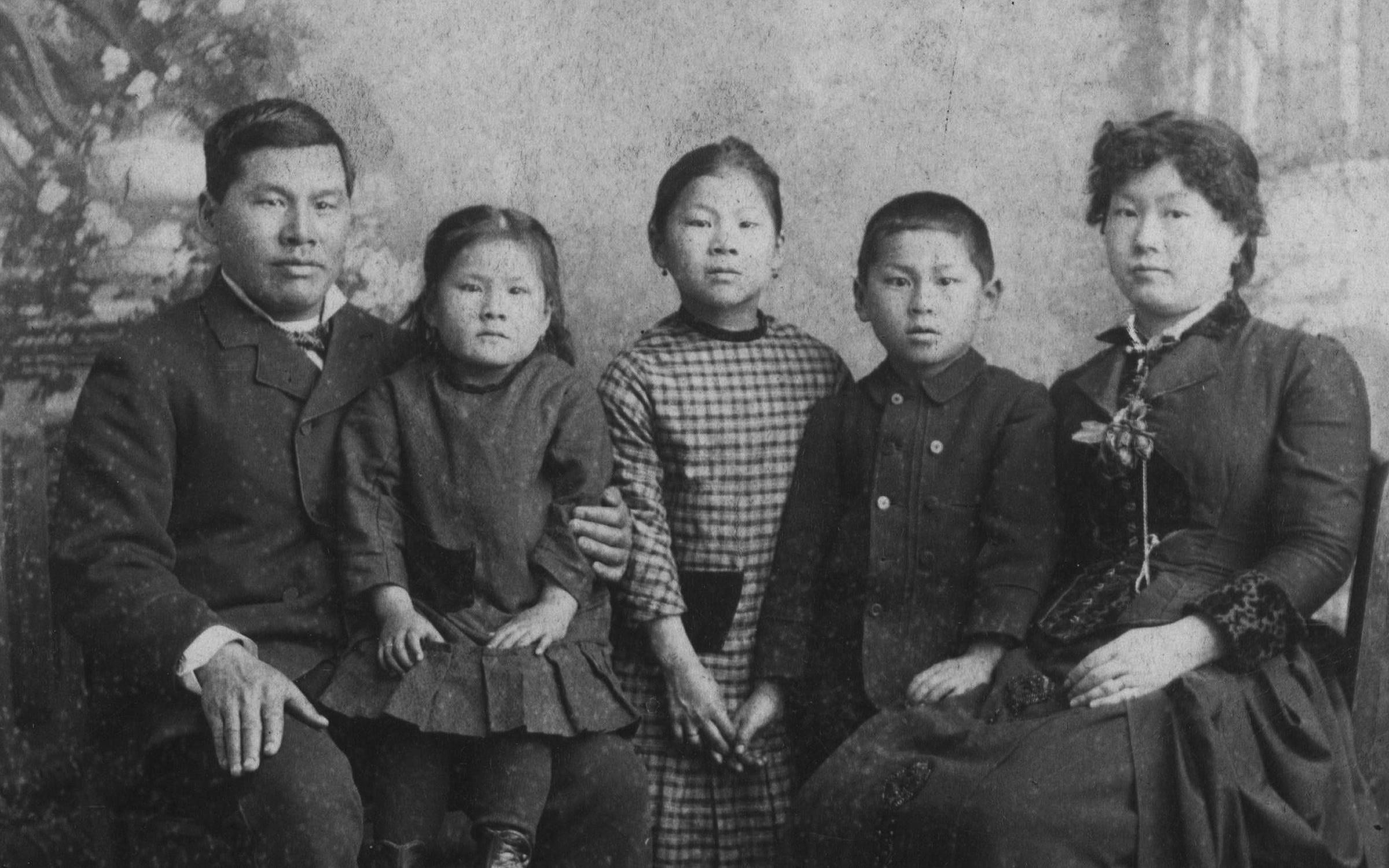
The Court also reaffirmed one of its most important citizenship decisions, United States v. Wong Kim Ark (1898). Wong was born in San Francisco to Chinese parents who were legally living in the United States but were not eligible for citizenship under the discriminatory laws of the time. When the government tried to deny his reentry after a trip to China, the Supreme Court ruled that because he was born on American soil, he was an American citizen. That case has stood for 128 years as the foundation of birthright citizenship.
Notice what the Court did today.
It didn’t start with today’s politics.
It started with history.
The opinion traces the idea of citizenship back to English common law, explains how the Civil War and the infamous Dred Scott decision led Congress to write the Citizenship Clause, and concludes that the amendment adopted the long-standing principle that birth on American soil generally confers citizenship, with only narrow exceptions such as children of foreign diplomats.
That’s constitutional interpretation.
It isn’t always easy.
It isn’t always unanimous.
Five justices read the history differently. Justice Kavanaugh agreed the executive order could not stand but disagreed with part of the Court’s reasoning.
That’s how our system is supposed to work.
Judges read.
Lawyers argue.
History matters.
Words matter.
What should not happen is pretending the words aren’t there because we dislike the outcome.
I’ve heard people say, “Well, that’s not what the authors intended.”
Perhaps.
But the people who wrote the Fourteenth Amendment had every opportunity to include words like “lawfully present,” “legal resident,” “mother,” “father,” or “citizen.”
They didn’t.
The majority opinion makes exactly that observation. Those terms appear repeatedly in the executive order but nowhere in the Citizenship Clause itself.
That doesn’t mean the immigration debate is over.
Far from it.
Congress can tighten border security.
Congress can change immigration law.
Congress can alter visa rules.
Americans can argue over every one of those questions.
But if the goal is to change what the Fourteenth Amendment says, there is already a process for that.
It’s called a constitutional amendment.
That’s intentionally difficult. It requires convincing not just a president or a Congress, but the American people through their elected representatives and the states.
That’s not a flaw.
It’s one of the safeguards the Framers built into our republic.
Constitutions are supposed to be harder to change than governments.
That’s why we still have one.
When I debated this issue last year, I wasn’t arguing immigration policy.
I was arguing grammar.
The Constitution begins the Citizenship Clause with two simple words.
All persons.
Until those words are changed by the American people through the Constitution itself, they mean exactly what they say.