
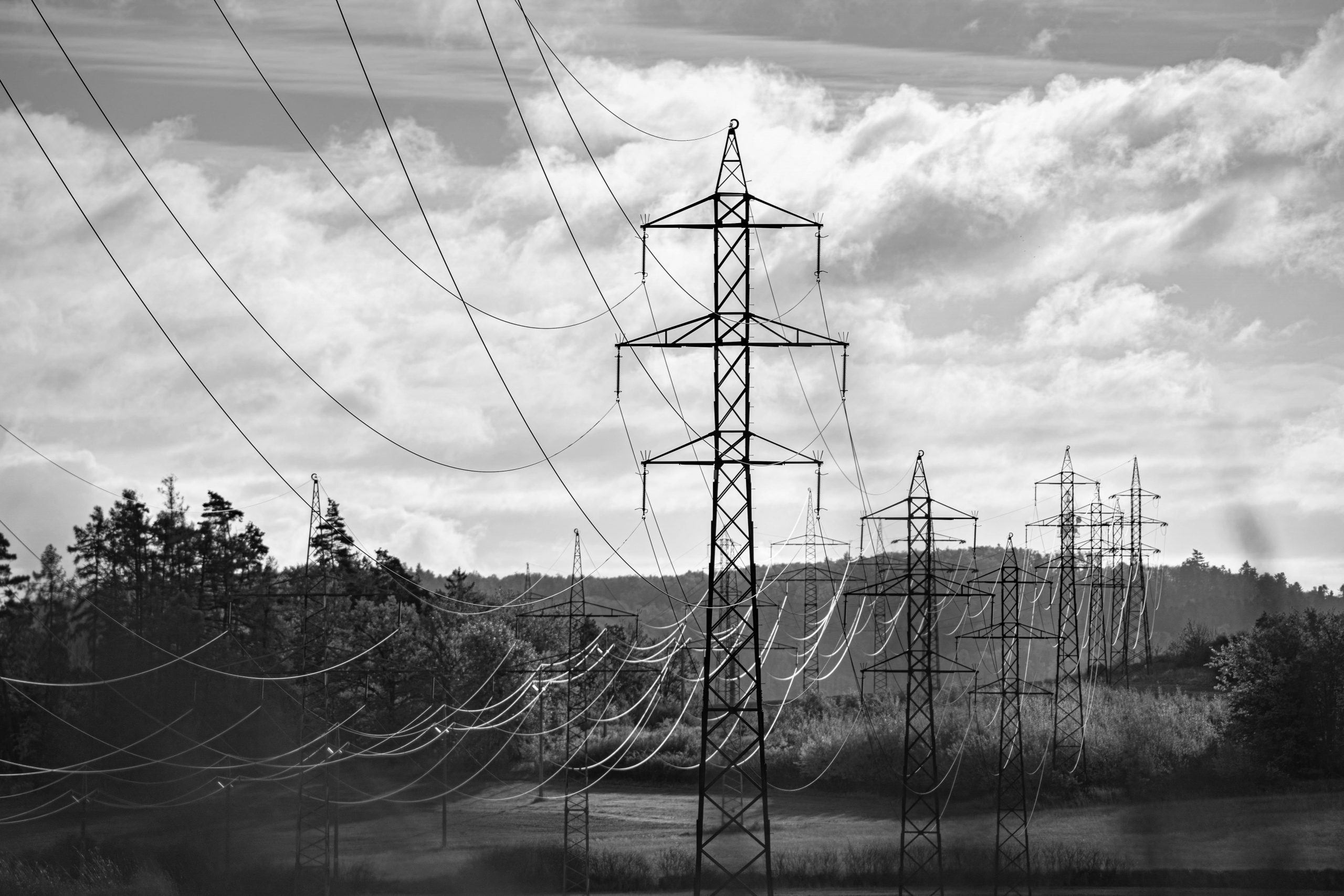
By May 2026, the rumor had spread from Facebook groups to coffee shops to local town halls: the lights around Lake Tahoe might someday flicker so giant AI data centers could stay humming. The story sounded tailor-made for the times — families near one of America’s most beautiful lakes freezing in the dark while Silicon Valley fed electricity to warehouses full of computers teaching themselves how to write emails and generate fake vacation photos.
For months now, Americans have been hearing the same story over and over again: giant data centers are coming for your land, your water, your electricity, your peace and quiet, and maybe your soul while they’re at it. So when a report started bouncing around claiming nearly 49,000 customers in the Tahoe Basin could lose electricity while utilities fed power-hungry data centers owned by Meta, Amazon and Google, people understandably grabbed their pitchforks.
The image practically writes itself. Families wrapped in blankets beside a frozen lake while Silicon Valley asks a chatbot to generate anime pictures.
Except that’s apparently not what’s happening.
According to NV Energy, the Tahoe transition has been in the works since 2009, back before AI became the political bogeyman of the month. The utility says this was always supposed to be temporary. Liberty Utilities would eventually secure its own power supply and transmission arrangements, and NV Energy would step away from directly supplying the region. And Nevada state law requires NV Energy to serve Nevada customers, first.
According to the California Energy Commission, Lake Tahoe is not connected to any California grid.
In other words, the divorce papers were signed long before anybody started spelling “ChatGPT” in all caps on Facebook.
Katie Nannini, a spokesperson for NV Energy, flatly called the original reporting “incomplete or misleading.” She said the utility has been coordinating with Liberty Utilities for more than 15 years to make sure Tahoe customers stay powered. Nobody is getting unplugged so an AI server farm can make deeperfake videos of your cousin at a barbecue. A May 2026 filing from NV Energy states it now plans to extend Liberty’s contract until Dec. 31, 2027 (PDF Page 36).
That part matters.
Because we are entering a dangerous phase of the AI and data center debate where every transformer hum, zoning fight, transmission project, or utility rate increase gets immediately tied to AI whether it belongs there or not.
Now, does Nevada have a gigantic data center boom underway? Absolutely.
Does AI consume enormous amounts of electricity? You bet it does.
Are utilities scrambling to build transmission lines and generation capacity fast enough to keep up? Every utility executive in America is quietly stress-eating antacids over it.
But that doesn’t mean every power grid story is secretly an AI conspiracy.
What’s really happening here is something far more boring and far more important: the electrical grid is being rewired in real time for the 21st century. Old agreements are expiring. Utilities are reshuffling power sources. Transmission corridors are being rebuilt. Regional partnerships are changing.
That’s what Tahoe is dealing with.
Liberty says beginning in 2028, it will move to new suppliers while continuing to use existing transmission infrastructure. The transition is tied to the Greenlink Nevada project, a massive transmission buildout that includes hundreds of miles of 525-kV lines stretching across Nevada.
And here’s the funny little detail buried deep in all this utility jargon: Tahoe’s winter-heavy power demand actually makes it attractive to outside suppliers because much of the West peaks during summer air-conditioning season.
That’s not AI. That’s basic grid economics.
Still, the panic itself tells you something important.
Americans no longer trust giant institutions when they say, “Don’t worry, this won’t affect you.”
And frankly, after years of being told things were under control right before discovering they weren’t, you can’t entirely blame them.
The AI era has arrived with the subtlety of a cement truck crashing through the living room wall. Massive data centers are appearing in farm country. Power companies are requesting billions for transmission upgrades. Rural counties are suddenly debating megawatts and substations like they’re miniature versions of the Tennessee Valley Authority.
So when people in Tahoe hear the words “data center” and “electricity,” they assume somebody’s about to get sacrificed to feed the machine.
This time, though, it appears the story is more mundane than apocalyptic.
Which, these days, almost counts as good news.