
Every now and then, a small town does something that makes you stop mid-sip of your coffee and say, “Well now… that’s interesting.”
Over in Stuart, Fla., they’ve decided to cancel their Memorial Day parade after 20 years.
Not because of money. Not because of weather. Not because somebody forgot to file the right permit in triplicate.
No—because some veterans and Gold Star families said the thing had drifted. Drifted from remembrance into something a little too… festive. A little too much like a Saturday in May with hot dogs and lawn chairs, and not enough like a Monday meant for the dead.
Now that’ll get your attention.
Because if there’s one thing Americans are good at, it’s turning anything—anything—into a celebration. Give us a solemn occasion and we’ll have a bounce house on standby before you can say “moment of silence.”
And yet… those veterans aren’t wrong.
Memorial Day is the one day that isn’t about us. Not about sales, not about three-day weekends, not about squeezing in a trip to the beach before hurricane season starts warming up. It’s about the people who didn’t come back. Period. Full stop. No asterisk.
But here’s where it gets tricky—and where Stuart might be throwing out the brisket with the grill.
Because a parade, done right, was never the problem.
I remember them. You probably do too. Marching bands that sounded just a little more serious than they did on Friday nights. Veterans walking—some upright, some leaning, all of them carrying something you couldn’t quite name when you were a kid. Active-duty troops crisp and quiet. And the equipment rolling by, not as toys, but as a kind of moving history lesson.
And then—this part mattered—you went to the cemetery.
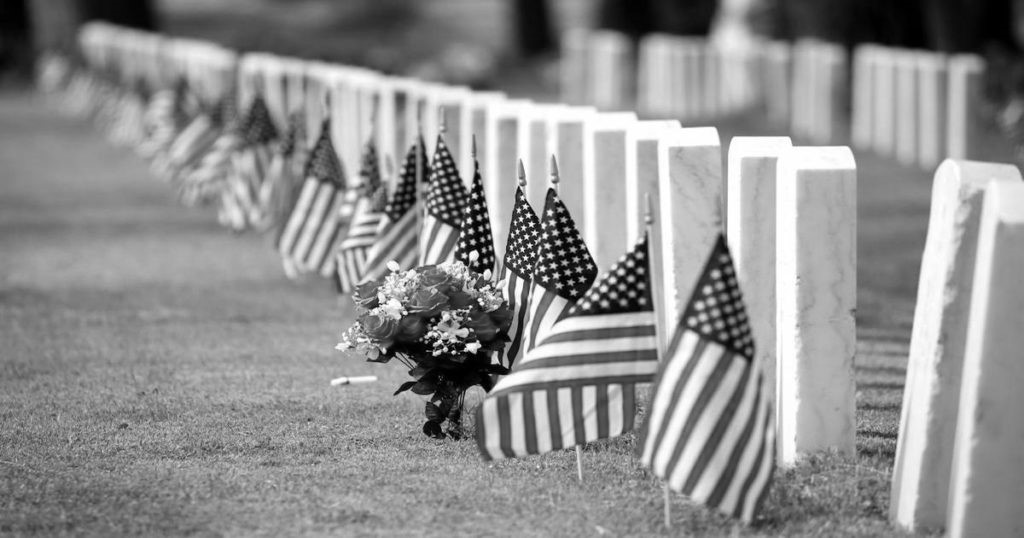
That was the pivot. That was where the noise stopped, and the meaning landed. Flags and flowers were placed carefully. Names read. The kind of silence that makes even children understand, at least a little, that this day costs something.
The parade didn’t replace remembrance. It led you to it.
That’s the part we seem to have forgotten.
Somewhere along the way, in towns all over the country, the center of gravity shifted. The parade became the destination instead of the introduction. The funnel cake got louder than the folded flag. And when that happens, the people who paid the price—and the families who live with it—notice first.
So Stuart looked at the whole thing and said, in effect: if we can’t get this right, maybe we shouldn’t do it at all.
And you can respect that. There’s a kind of stubborn integrity in refusing to pretend.
But there’s also a loss there. Because once you cancel a tradition, it doesn’t come back easily. Civic habits are like old cast-iron skillets—if you stop using them, they rust.
The better question—the harder one—is whether we’ve still got the discipline to fix things instead of abandoning them.
Could you have a parade where the veterans lead, not trail behind the Shriners in tiny cars?
Could you make the route end at the cemetery instead of the food trucks?
Could you remind people, gently but firmly, what the day is actually for?
Of course, you could.
But that would require something in short supply these days: intention.
So Stuart made its choice. No parade. No risk of getting it wrong.
Clean. Simple. Respectful.
And maybe a little sad.
Because somewhere out there is a kid who would have watched that parade—really watched it—and then stood in a cemetery a few hours later, connecting dots he didn’t even know he was drawing.
That’s how memory gets passed down. Not by canceling the day, but by carrying it—carefully, deliberately—from the street… all the way to the graves.
And if we lose that, well, we won’t need to worry about Memorial Day becoming too festive.
We’ll have something worse.
We’ll have forgotten what it was for.