
There was a time in America when “all you can eat” meant exactly that.
You paid your $6.99 at Sizzler, loosened your belt two notches, and marched back for another helping of fried shrimp nobody could quite identify. The business model worked because most folks tapped out after two plates and a soft-serve cone.
Silicon Valley figured AI would work the same way.
Turns out, they accidentally invited a platoon of linebackers into the buffet line.
For the past couple years, the big AI companies handed out flat-rate subscriptions like casino comps in Vegas. Twenty bucks a month got you unlimited access to the future. Write emails. Build spreadsheets. Generate code. Create images. Ask existential questions at 2 a.m. while eating leftover Chinese food in your underwear.
The deal was absurdly good. Too good.
Now the bill is arriving.
Across the industry, the AI giants are quietly backing away from the “all-you-can-eat” model and replacing it with something Americans know all too well: the utility meter.
OpenAI, Google, Anthropic, and GitHub are all moving toward usage-based pricing. Translation? The more your AI works, the more you pay.
And honestly, this was inevitable.
As long as AI was basically a fancy chatbot answering trivia questions and helping college freshmen fake term papers, the economics sorta worked. But then Silicon Valley did what Silicon Valley always does: it escalated.
Now these things don’t just answer questions. They write code for hours. They monitor inboxes. They run research tasks while you sleep. They browse the web, build reports, debug software, and increasingly function less like software and more like digital employees with caffeine addictions.
That takes staggering amounts of compute power.
One executive compared unlimited AI to unlimited electricity. Which sounds ridiculous until you stop and think about it for a second.
Imagine your electric company charging everybody twenty bucks a month, whether they powered a one-bedroom apartment or a steel mill in Pittsburgh.
Somebody was always going to pay for that imbalance.
And make no mistake: the infrastructure behind this AI boom is no joke. While people online argue about whether AI can draw hands correctly, the tech industry is spending sums of money that start sounding less like business budgets and more like Cold War defense appropriations.
Meta is reportedly pouring as much as $145 billion into AI infrastructure this year while reshuffling thousands of employees into AI divisions. Not hiring. Reassigning. Somewhere inside Menlo Park, people who thought they were working on ad optimization probably woke up in a machine-learning unit wondering what happened to their old desk.
And then there’s the hardware burn.
One AI researcher recently talked about running hundreds of experiments in just two days on a single graphics processor. That sounds impressive until you realize each one of those GPUs costs more than a used pickup truck and drinks electricity like a casino air conditioner in July.
This is the part most people still don’t quite grasp.
AI isn’t magic.
It’s industrial.
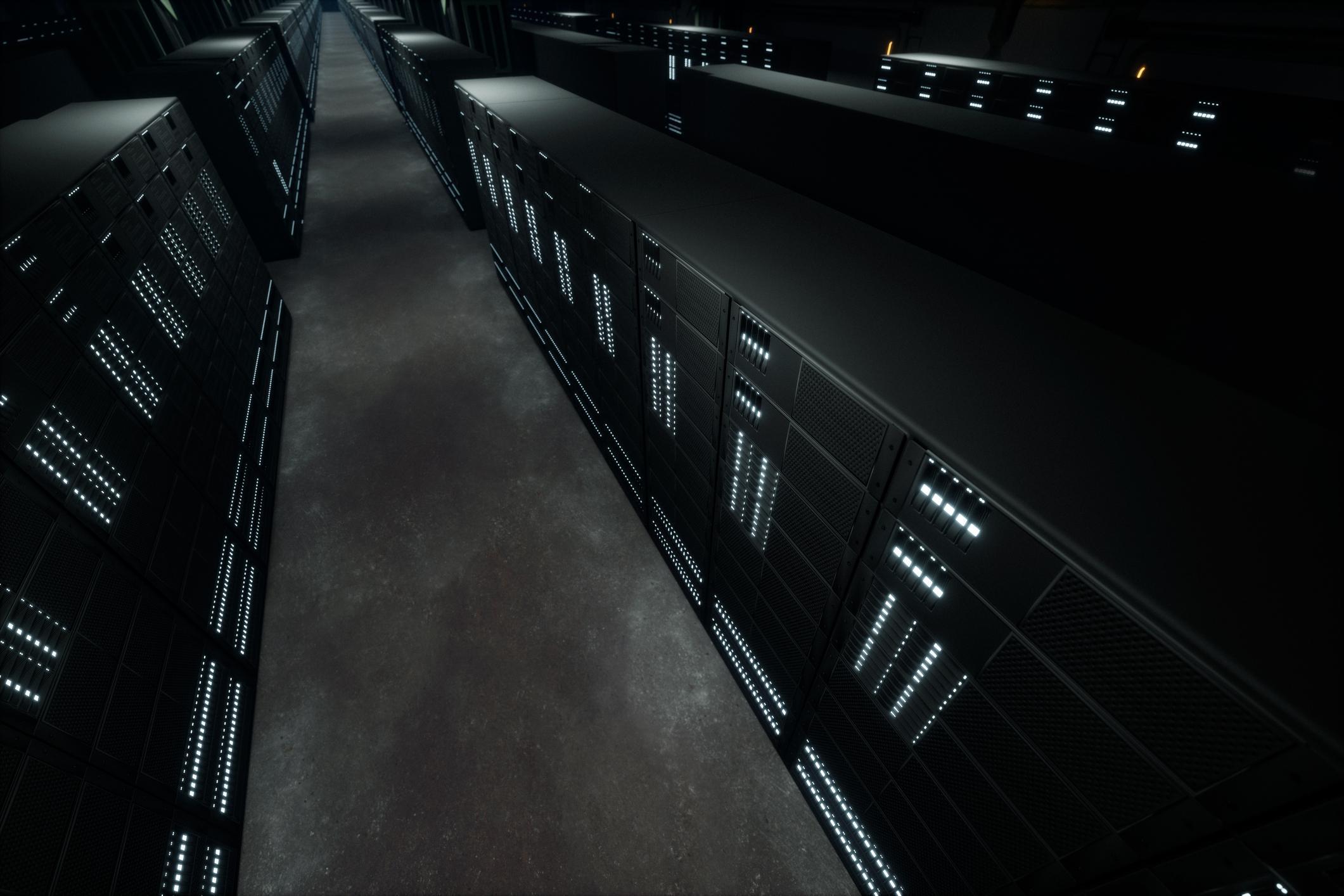
Behind every cheerful chatbot response is a warehouse-sized data center sucking down megawatts of power, pulling cooling water by the millions of gallons, and running specialized processors that cost tens of thousands of dollars apiece. Those little prompts people casually type into their phones? At scale, they translate into massive infrastructure demands that look increasingly like utilities, railroads, or oil refineries.
That’s why the pricing model is changing.
The tech companies spent three years subsidizing AI to get everybody hooked first. Same playbook Silicon Valley always uses. Cheap rides. Cheap streaming. Cheap storage. Get the public dependent, then slowly introduce reality.
Only this time, the underlying costs are far bigger.
The future they’re building doesn’t run on vibes and TED Talks. It runs on power plants, transmission lines, fiber routes, transformers, cooling systems, and server farms the size of shopping malls.
And here’s where the story circles back to ordinary people sitting at kitchen tables wondering why this matters.
Because once AI becomes metered like electricity, the next divide in America may not just be about access to information.
It may be about access to intelligence itself.
The lawyer with unlimited AI agents working around the clock.
The corporation running thousands of automated research assistants.
The wealthy student with personalized AI tutoring twenty-four hours a day.
The small business owner paying extra just to keep up.
For now, most casual users probably won’t notice much. The free tiers will stick around because Silicon Valley still needs the public feeding the machine data and attention.
But heavy users? Businesses? Professionals? Developers?
The meter’s already spinning.
And just like the electric bill in August, people are about to discover that convenience feels wonderful right up until the envelope arrives.