
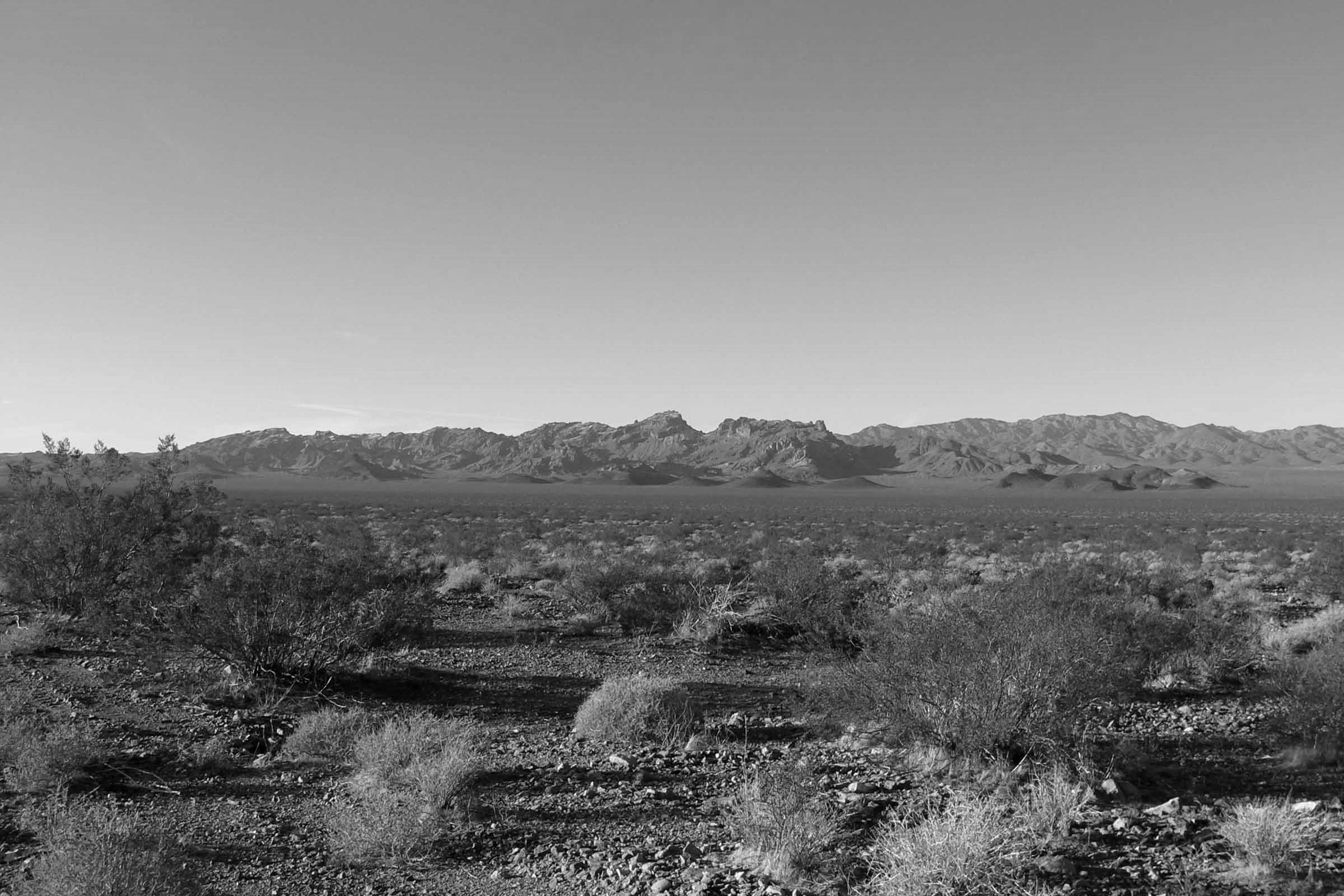
Somewhere outside Boulder City, Nev., a solar farm turned into a data center without the federal government deciding it needed a fresh environmental review. This is quite a trick. Most of us cannot turn a carport into a bedroom without somebody from the county arriving with a clipboard.
The Bureau of Land Management apparently found the transformation less troubling. In June, it approved a data center on public land by amending an authorization previously issued for solar power and battery storage. The agency relied on the earlier solar project’s environmental review. Sunshine, servers. Both start with an S. How different could they be?
Different enough for the Interior Board of Land Appeals. In September, the board stopped the approval from taking effect while the challenge proceeded, finding the opponents likely to succeed because the two projects were not substantially the same. In October, according to reporting published Nov. 2, the board vacated the approval and sent the application back to BLM for further environmental review. The project can still return. It just has to get through the process again.
Boulder City had been asking for something rather modest: a meaningful opportunity to participate in a decision about a large industrial facility in its own community.
On city-owned land, the developer had encountered a process that required public discussion of the proposed change from solar generation to a data center. The planning commission recommended against adding data centers to the city’s land-management list. Meanwhile, the company was also seeking permission to make the switch on adjacent federal land. After receiving federal approval, it withdrew its city application.
You can appreciate the convenience. Local government wanted to start at square one. Washington offered an amendment.
The city appealed the federal approval. Environmental groups appealed, too. The system produced a pause and, eventually, the removal of an approval that depended on treating two materially different developments as sufficiently alike.
Now Congress is considering changing that system.
The proposal bears the name Bipartisan American Affordability and Jobs Act, or BAAJA. Its sponsors include Republicans Shelley Moore Capito and Mike Lee, and Democrats Sheldon Whitehouse and Martin Heinrich. They describe it as a way to accelerate permitting for energy and infrastructure projects.
There are sound reasons to improve permitting. A country that needs transmission lines, reliable electricity and new infrastructure ought to be able to make decisions within a reasonable time. Developers also have a legitimate complaint when one administration approves a project and the next pulls the permission away.
But a promise of faster decisions requires a close look at what happens when the fast decision is wrong.
Under Section 1110 of the introduced bill, a court finding a violation of the National Environmental Policy Act generally could order the agency to correct its work, but could not cancel the authorization or issue an injunction for that violation. The authorization would remain effective during the correction. Section 1401 would sharply restrict agencies’ ability to revoke or change covered permits, subject to specified exceptions.
Consider the practical difference. Today, an inadequate environmental review can help stop a project while the government sorts out what it failed to examine. Under the proposed approach, the paperwork could go back to the agency while the authorization stayed alive.
The public might win the argument and still hear the bulldozers.
The bill retains exceptions, including court orders, fraud, violations of permit conditions or law, and certain urgent harms supported by new information. Agencies would face a clear-and-convincing-evidence standard when defending covered adverse actions, and unsuccessful interference could expose the government to substantial damages. Those provisions deserve scrutiny precisely because their consequences reach beyond the next election.
Townsite offers a useful test of what Congress is proposing. Here was an agency that approved a data center using a solar project’s review. A community challenged it. An appeals board intervened. Before lawmakers make that intervention harder, they ought to explain which part of this sequence failed the country.
Public land belongs to the public. That ought to carry some practical privileges, including the chance to question what gets built on it before construction settles the matter.
Otherwise, Washington will have perfected a remarkable permitting system: the government can make a mistake, the citizens can prove it, and the developer can keep going.
Efficient, certainly. Especially if you happen to own the bulldozer.